


August 2024
Tuesday, 27 August 2024 00:00
Recognizing Symptoms of Gout

Gout is a painful form of inflammatory arthritis that can affect anyone but is more prevalent in men. It results from the buildup of uric acid in the blood, which leads to the formation of sharp crystals within the joints. The big toe is often the first joint to be affected, but gout inflammation can also flare up in the ankles, knees, wrists, and fingers. Symptoms of gout usually come on suddenly, often at night, and can include excruciating pain, redness, swelling, and extreme tenderness in the affected joint. The pain can be so severe that even the touch of a bedsheet may feel unbearable. Without treatment, these painful episodes can last for days, and over time, the frequency and intensity of attacks may increase. A podiatrist can provide a thorough diagnosis and recommend effective treatments to manage this condition and prevent further joint damage. If you are experiencing flares of gout, it is suggested that you make an appointment with a podiatrist for treatment.
Gout is a painful condition that can be treated. If you are seeking treatment, contact Dr. Eugenio Rivera from Calo Foot & Ankle Specialists. Our doctor will treat your foot and ankle needs.
What Is Gout?
Gout is a form of arthritis that is characterized by sudden, severe attacks of pain, redness, and tenderness in the joints. The condition usually affects the joint at the base of the big toe. A gout attack can occur at any random time, such as the middle of the night while you are asleep.
Symptoms
- Intense Joint Pain - Usually around the large joint of your big toe, and it most severe within the first four to twelve hours
- Lingering Discomfort - Joint discomfort may last from a few days to a few weeks
- Inflammation and Redness -Affected joints may become swollen, tender, warm and red
- Limited Range of Motion - May experience a decrease in joint mobility
Risk Factors
- Genetics - If family members have gout, you’re more likely to have it
- Medications - Diuretic medications can raise uric acid levels
- Gender/Age - Gout is more common in men until the age of 60. It is believed that estrogen protects women until that point
- Diet - Eating red meat and shellfish increases your risk
- Alcohol - Having more than two alcoholic drinks per day increases your risk
- Obesity - Obese people are at a higher risk for gout
Prior to visiting your podiatrist to receive treatment for gout, there are a few things you should do beforehand. If you have gout you should write down your symptoms--including when they started and how often you experience them, important medical information you may have, and any questions you may have. Writing down these three things will help your podiatrist in assessing your specific situation so that he or she may provide the best route of treatment for you.
If you have any questions, please feel free to contact our office located in Bellaire, TX . We offer the newest diagnostic and treatment technologies for all your foot care needs.
Tuesday, 20 August 2024 00:00
Custom-Made Orthotics for Plantar Fasciitis

Plantar fasciitis, a common cause of heel pain, results from inflammation of the plantar fascia, the thick band of tissue connecting the heel bone to the toes. This condition often causes stabbing pain, especially in the morning. Standard treatments include rest, targeted exercises, and nonsteroidal anti-inflammatory drugs. Custom-made orthotics, however, provide an extremely effective solution by offering tailored support and cushioning. Unlike over-the-counter inserts, these orthotics are specifically designed to fit the unique contours of an individual's feet, alleviating pressure on the plantar fascia. By distributing weight more evenly and correcting abnormal foot mechanics, custom orthotics can significantly reduce pain and inflammation. In some cases, they are as effective as corticosteroid injections in reducing thickness and swelling, providing long-term relief and preventing recurrence. If you have persistent discomfort from plantar fasciitis, it is suggested that you schedule an appointment with a podiatrist to discuss whether custom-made orthotics can help you.
If you are having discomfort in your feet and would like to try orthotics, contact Dr. Eugenio Rivera from Calo Foot & Ankle Specialists. Our doctor can provide the care you need to keep you pain-free and on your feet.
What Are Orthotics?
Orthotics are inserts you can place into your shoes to help with a variety of foot problems such as flat feet or foot pain. Orthotics provide relief and comfort for minor foot and heel pain but can’t correct serious biomechanical problems in your feet.
Over-the-Counter Inserts
Orthotics come in a wide variety of over-the-counter inserts that are used to treat foot pain, heel pain, and minor problems. For example, arch supports can be inserted into your shoes to help correct overarched or flat feet, while gel insoles are often used because they provide comfort and relief from foot and heel pain by alleviating pressure.
Prescription Orthotics
If over-the-counter inserts don’t work for you or if you have a more severe foot concern, it is possible to have your podiatrist prescribe custom orthotics. These high-quality inserts are designed to treat problems such as abnormal motion, plantar fasciitis, and severe forms of heel pain. They can even be used to help patients suffering from diabetes by treating foot ulcers and painful calluses and are usually molded to your feet individually, which allows them to provide full support and comfort.
If you are experiencing minor to severe foot or heel pain, it’s recommended to speak with your podiatrist about the possibilities of using orthotics. A podiatrist can determine which type of orthotic is right for you and allow you to take the first steps towards being pain-free.
If you have any questions please contact our office located in Bellaire, TX . We offer the newest diagnostic and treatment technologies for all your foot and ankle needs.
Tuesday, 13 August 2024 00:00
Cracked Heels May Be Linked to Nutritional Deficiencies
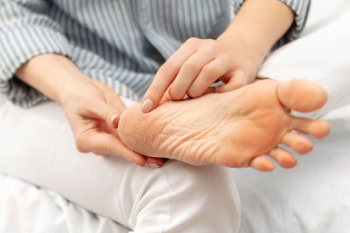
Cracked heels can be more than a cosmetic concern, they may signal underlying nutritional deficiencies. Vitamins play a vital role in maintaining healthy skin and preventing such issues. Vitamin A, essential for skin repair and cell turnover, helps prevent dryness and cracking. A vitamin deficiency can lead to rough, flaky skin on the feet. Vitamin E is known for its antioxidant properties and its ability to promote skin healing and hydration, so low levels can impair the skin's ability to recover from damage. Vitamin C is vital for collagen production, which supports skin elasticity and strength. Insufficient Vitamin C can result in weakened skin prone to cracks and splits. Ensuring a balanced diet rich in these vitamins can help maintain healthy, smooth heels and prevent cracks. Cracked heels can be unsightly, and sometimes painful if fissures develop. If you have troublesome cracked heels, it is suggested that you consult a podiatrist for treatment suggestions.
Cracked heels are unsightly and can cause further damage to your shoes and feet. If you have any concerns, contact Dr. Eugenio Rivera from Calo Foot & Ankle Specialists. Our doctor can provide the care you need to keep you pain-free and on your feet.
Cracked Heels
Cracked heels appear unappealing and can make it harder for you walk around in sandals. Aside from looking unpleasant, cracked heels can also tear stockings, socks, and wear out your shoes. There are several methods to help restore a cracked heel and prevent further damage.
How Do You Get Them?
Dry skin is the number one culprit in creating cracked heels. Many athletes, walkers, joggers, and even swimmers suffer from cracked heels. Age and skin oil production play a role to getting cracked heels as well.
Promote Healing
Over the counter medicines can help, especially for those that need instant relief or who suffer from chronic dry feet.
Wear Socks – Wearing socks with medicated creams helps lock in moisture.
Moisturizers – Applying both day and night will help alleviate dryness which causes cracking.
Pumice Stones – These exfoliate and remove dead skin, which allows for smoother moisturizer application and better absorption into the skin.
Change in Diet
Eating healthy with a well-balanced diet will give the skin a fresh and radiant look. Your body responds to the kinds of food you ingest. Omega-3 fatty acids and zinc supplements can also revitalize skin tissue.
Most importantly, seek professional help if unsure how to proceed in treating cracked heels. A podiatrist will help you with any questions or information needed.
If you have any questions, please feel free to contact our office located in Bellaire, TX . We offer the newest diagnostic and treatment technologies for all your foot care needs.
Tuesday, 06 August 2024 00:00
Foot Injuries While Windsurfing and Kitesurfing

Engaging in windsurfing or kitesurfing can be exhilarating, but it also exposes participants to potential foot injuries and cuts caused by beach pollution. Debris like sharp shells, broken glass, or discarded objects can pose hazards, leading to cuts or puncture wounds on the feet. Immediate first aid is critical, involving cleaning the wound with fresh water and applying an antiseptic to prevent infection. Removing any embedded debris from the affected foot carefully is essential before covering the laceration with a sterile bandage. Prevention strategies include wearing water shoes or protective footwear to minimize direct contact with hazardous materials. Surfers should also familiarize themselves with the beach conditions and inspect the area for potential dangers that can happen to the feet before launching into the water. If you enjoy either form of surfing and you endured a foot injury, it is suggested that you consult a podiatrist who can treat any foot injury you may have.
Ankle and foot injuries are common among athletes and in many sports. They can be caused by several problems and may be potentially serious. If you are feeling pain or think you were injured in a sporting event or when exercising, consult with Dr. Eugenio Rivera from Calo Foot & Ankle Specialists. Our doctor will assess your condition and provide you with quality foot and ankle treatment.
Common Injuries
The most common injuries that occur in sporting activities include:
- Achilles Tendonitis
- Achilles Tendon Rupture
- Ankle Sprains
- Broken Foot
- Plantar Fasciitis
- Stress Fractures
- Turf Toe
Symptoms
Symptoms vary depending upon the injury and in some cases, there may be no symptoms at all. However, in most cases, some form of symptom is experienced. Pain, aching, burning, bruising, tenderness, tightness or stiffness, sensation loss, difficulty moving, and swelling are the most common symptoms.
Treatment
Just as symptoms vary depending upon the injury, so do treatment options. A common treatment method is known as the RICE method. This method involves rest, applying ice, compression and elevating the afflicted foot or ankle. If the injury appears to be more serious, surgery might be required, such as arthroscopic or reconstructive surgery. Lastly, rehabilitation or therapy might be needed to gain full functionality in the afflicted area. Any discomfort experienced by an athlete must be evaluated by a licensed, reputable medical professional.
If you have any questions, please feel free to contact our office located in Bellaire, TX . We offer the newest diagnostic and treatment technologies for all your foot care needs.
Friday, 02 August 2024 00:00
Arthritis Can Cause Pain in the Feet and Ankles

If you are suffering from tenderness, pain, or stiffness in the joints of your feet or ankles, call us to schedule an appointment.