


October 2024
Tuesday, 29 October 2024 00:00
Simple to Serious Causes of Swollen Feet
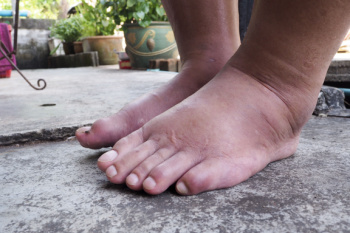
Having swollen feet, also known as foot edema, is a common issue that can occur for a variety of reasons. Simple causes include standing or sitting for long periods of time, especially in hot weather, which can lead to fluid retention. Minor injuries, such as sprains or strains, can also cause temporary swelling. However, persistent or severe swelling could signal more serious health conditions. Heart failure, kidney disease, and liver disorders can all cause fluid buildup in the lower extremities. Venous insufficiency, where the veins struggle to return blood to the heart, is another possible cause. Blood clots in the legs or infections can also trigger swelling. Treatment depends on the underlying cause. For mild cases, elevating the feet and reducing salt intake may help. If you have swollen feet from an unknown cause and especially if accompanied by pain, shortness of breath, or other symptoms, it is suggested that you contact a podiatrist promptly for an evaluation and care.
Swollen feet can be a sign of an underlying condition. If you have any concerns, contact Dr. Eugenio Rivera of Calo Foot & Ankle Specialists. Our doctor can provide the care you need to keep you pain-free and on your feet.
Swollen feet are a common ailment among pregnant women and people who stand or sit for extended periods. Aging may increase the possibility of swollen feet and patients who are obese often notice when their feet are swelling too. There may be medical reasons why swollen feet occur:
- Phlebitis - A condition that causes the veins to become inflamed and can also cause leg pain.
- Liver disease - This may lead to low blood levels of albumin which is a protein. This can cause fluid in the blood to pass into the tissues and several areas of the body can become swollen.
- Heart failure - When the heart doesn’t pump properly the blood that is normally pumped back to the heart can pool in the veins of the legs causing swollen feet.
- Kidney disease - One of the main functions of the kidneys is releasing excess fluid in the body. This type of condition can make it difficult for the kidneys to function properly, and as a result the feet may become swollen.
- Deep-vein thrombosis (DVT)- This is a serious condition where blood clots form in the veins of the legs. They can block the return of blood from the legs to the heart which may cause the feet to swell. It is important to be treated by a podiatrist if this condition is present.
Swollen feet can also be caused by bone and tendon conditions, including fractures, arthritis, and tendinitis. Additionally, there may be skin and toenail conditions and an infection may cause the feet to swell. Patients who take medicine to treat high blood pressure may be prone to getting swollen feet.
Many patients elevate their feet to help relieve the swelling and this is generally a temporary remedy. When a podiatrist is consulted the reason behind the swelling can be uncovered and subsequently treated.
If you have any questions please feel free to contact our office located in Bellaire, TX . We offer the newest diagnostic tools and technology to treat your foot and ankle needs.
Tuesday, 22 October 2024 00:00
Treatment of Tarsal Tunnel Syndrome

Tarsal tunnel syndrome is a condition caused by compression of the posterior tibial nerve as it passes through the tarsal tunnel, a narrow channel inside the ankle. This compression can result in pain, tingling, or numbness in the foot, particularly in the arch, heel, or toes. Some individuals may also experience a burning sensation or shooting pain. Diagnosis is typically made through a physical examination, where a doctor may apply pressure to the affected area to elicit symptoms. Imaging tests, such as MRI scans, ultrasounds, or nerve conduction studies can also be used to assess the extent of the nerve compression. Treatment varies depending on severity. If symptoms persist, steroid injections or surgery to release the compressed nerve may be necessary for long-term relief. If you feel pain, tingling, numbness, or burning on the inside of your ankle, it is strongly suggested that you schedule an appointment with a podiatrist for a proper diagnosis and treatment.
Tarsal tunnel syndrome can be very uncomfortable to live with. If you are experiencing tarsal tunnel syndrome, contact Dr. Eugenio Rivera of Calo Foot & Ankle Specialists. Our doctor can provide the care you need to keep you pain-free and on your feet.
Tarsal Tunnel Syndrome
Tarsal tunnel syndrome, which can also be called tibial nerve dysfunction, is an uncommon condition of misfiring peripheral nerves in the foot. The tibial nerve is the peripheral nerve in the leg responsible for sensation and movement of the foot and calf muscles. In tarsal tunnel syndrome, the tibial nerve is damaged, causing problems with movement and feeling in the foot of the affected leg.
Common Cause of Tarsal Tunnel Syndrome
- Involves pressure or an injury, direct pressure on the tibial nerve for an extended period of time, sometimes caused by other body structures close by or near the knee.
- Diseases that damage nerves, including diabetes, may cause tarsal tunnel syndrome.
- At times, tarsal tunnel syndrome can appear without an obvious cause in some cases.
The Effects of Tarsal Tunnel Syndrome
- Different sensations, an afflicted person may experience pain, tingling, burning or other unusual sensations in the foot of the affected leg.
- The foot muscles, toes and ankle become weaker, and curling your toes or flexing your foot can become difficult.
- If condition worsens, infections and ulcers may develop on the foot that is experiencing the syndrome.
A physical exam of the leg can help identify the presence of tarsal tunnel syndrome. Medical tests, such as a nerve biopsy, are also used to diagnose the condition. Patients may receive physical therapy and prescriptive medication. In extreme cases, some may require surgery.
If you have any questions please feel free to contact our office located in Bellaire, TX . We offer the newest diagnostic and treatment technologies for all your foot and ankle needs.
Tuesday, 15 October 2024 00:00
Problematic Flat Feet
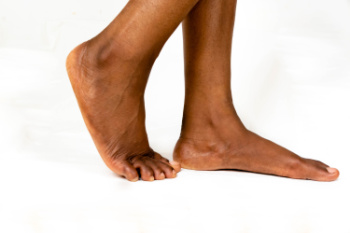
Flat feet, or fallen arches, occur when the arch of the foot is lower than normal. Children are often born with flat feet, and in most cases, the condition naturally resolves by the age of seven to 10 as the foot develops. Flat feet are classified based on arch height and heel aversion angle and can be either flexible or rigid. In flexible flat feet, the arch appears when the foot is lifted but disappears when standing, while rigid flat feet have no arch even when off the ground. Flat feet can be caused by genetics, injury, or conditions like arthritis. Symptoms include foot pain, particularly in the heel or arch, and difficulty standing for long periods. Pain occurs due to abnormal pressure on muscles and ligaments. Treatment includes supportive footwear, orthotics, and targeted stretching. In severe cases, surgery may be considered to correct alignment and relieve discomfort. If you have painful flat feet, it is suggested that you schedule an appointment with a podiatrist for appropriate treatment.
Flatfoot is a condition many people suffer from. If you have flat feet, contact Dr. Eugenio Rivera from Calo Foot & Ankle Specialists. Our doctor will treat your foot and ankle needs.
What Are Flat Feet?
Flatfoot is a condition in which the arch of the foot is depressed and the sole of the foot is almost completely in contact with the ground. About 20-30% of the population generally has flat feet because their arches never formed during growth.
Conditions & Problems:
Having flat feet makes it difficult to run or walk because of the stress placed on the ankles.
Alignment – The general alignment of your legs can be disrupted, because the ankles move inward which can cause major discomfort.
Knees – If you have complications with your knees, flat feet can be a contributor to arthritis in that area.
Symptoms
- Pain around the heel or arch area
- Trouble standing on the tip toe
- Swelling around the inside of the ankle
- Flat look to one or both feet
- Having your shoes feel uneven when worn
Treatment
If you are experiencing pain and stress on the foot you may weaken the posterior tibial tendon, which runs around the inside of the ankle.
If you have any questions please feel free to contact our office located in Bellaire, TX . We offer the newest diagnostic and treatment technologies for all your foot and ankle needs.
Tuesday, 08 October 2024 00:00
Bad Habits for Your Feet

Your feet endure a lot, but certain habits can damage them over time. For starters, wearing high heels or shoes that are too tight can lead to a host of issues, like bunions, corns, and even chronic pain. High heels, while stylish, alter your gait and put extra pressure on the toes and balls of your feet. To avoid these problems, opt for well-fitting shoes with ample room in the toe box and supportive soles. Additionally, do not overlook the impact of flip-flops. While they might be a go-to for the beach, they offer little support and can contribute to issues like plantar fasciitis and arch pain. Do not forget about socks. They are not just for warmth. Wearing socks helps prevent friction and blisters, keeping your feet more comfortable throughout the day. Finally, remember to replace worn-out shoes. As shoes age, their support diminishes, which can lead to foot pain and alignment issues. If you are experiencing foot pain, it is suggested you schedule an appointment with a podiatrist for personalized advice and solutions for healthier, happier feet.
It is important to find shoes that fit you properly in order to avoid a variety of different foot problems. For more information about treatment, contact Dr. Eugenio Rivera from Calo Foot & Ankle Specialists. Our doctor will treat your foot and ankle needs.
Proper Shoe Fitting
Shoes have many different functions. They cushion our body weight, protect our feet, and allow us to safely play sports. You should always make sure that the shoes you wear fit you properly in order to avoid injuries and deformities such as: bunions, corns, calluses, hammertoes, plantar fasciitis, stress fractures, and more. It is important to note that although a certain pair of shoes might be a great fit for someone else, that doesn’t mean they will be a great fit for you. This is why you should always try on shoes before buying them to make sure they are worth the investment. Typically, shoes need to be replaced ever six months to one year of regular use.
Tips for Proper Shoe Fitting
- Select a shoe that is shaped like your foot
- Don’t buy shoes that fit too tight, expecting them to stretch to fit
- Make sure there is enough space (3/8” to ½”) for your longest toe at the end of each shoe when you are standing up
- Walk in the shoes to make sure they fit and feel right
- Don’t select shoes by the size marked inside the shoe, but by how the shoe fits your foot
The shoes you buy should always feel as good as they look. Shoes that fit properly will last longer, feel better, and improve your way of life each day.
If you have any questions, please feel free to contact our office located in Bellaire, TX . We offer the newest diagnostic and treatment technologies for all your foot care needs.
Wednesday, 02 October 2024 00:00
Why Live with Pain and Numbness in Your Feet?

Suffering from this type of pain? You may have the foot condition known as Morton's neuroma. Morton's neuroma may develop as a result of ill-fitting footwear and existing foot deformities. We can help.
Tuesday, 01 October 2024 00:00
What Is Tailor’s Bunion?
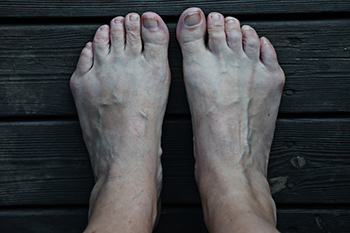
Tailor’s bunion, or bunionette, is a bony bump that forms on the outside of the foot near the base of the little toe. Unlike a traditional bunion, which affects the big toe, a tailor’s bunion results from the little toe pushing towards the fourth toe, causing the joint to protrude. This condition is often caused by wearing tight or narrow shoes that compress the toes, as well as genetic factors that contribute to abnormal foot mechanics. Symptoms include pain, swelling, and redness surrounding the bunionette, which can make wearing shoes uncomfortable. The bump can also cause calluses to develop on the affected area due to increased friction. For persistent issues or severe discomfort from a bunionette, it is suggested you schedule an appointment with a podiatrist to explore treatment options.
If you are suffering from bunions, contact Dr. Eugenio Rivera of Calo Foot & Ankle Specialists. Our doctor can provide the care you need to keep you pain-free and on your feet.
What Is a Bunion?
A bunion is formed of swollen tissue or an enlargement of boney growth, usually located at the base joint of the toe that connects to the foot. The swelling occurs due to the bones in the big toe shifting inward, which impacts the other toes of the foot. This causes the area around the base of the big toe to become inflamed and painful.
Why Do Bunions Form?
Genetics – Susceptibility to bunions are often hereditary
Stress on the feet – Poorly fitted and uncomfortable footwear that places stress on feet, such as heels, can worsen existing bunions
How Are Bunions Diagnosed?
Doctors often perform two tests – blood tests and x-rays – when trying to diagnose bunions, especially in the early stages of development. Blood tests help determine if the foot pain is being caused by something else, such as arthritis, while x-rays provide a clear picture of your bone structure to your doctor.
How Are Bunions Treated?
- Refrain from wearing heels or similar shoes that cause discomfort
- Select wider shoes that can provide more comfort and reduce pain
- Anti-inflammatory and pain management drugs
- Orthotics or foot inserts
- Surgery
If you have any questions, please feel free to contact our office located in Bellaire, TX . We offer the newest diagnostic and treatment technologies for all your foot care needs.