
Like us on facebook
Follow us on twitter
Review us on google

Blog

Facts About Plantar Fasciitis

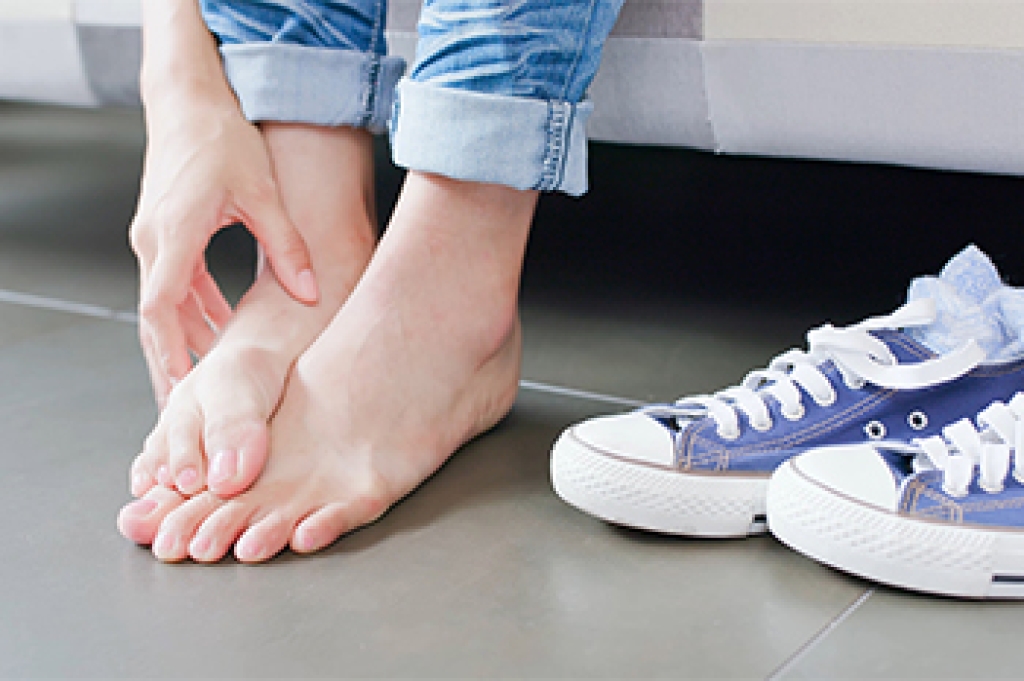
Plantar fasciitis is one of the most common causes of heel pain. It develops when the plantar fascia becomes irritated. The plantar fascia is a strong band of tissue that runs along the bottom of the foot and supports the arch. When this tissue is placed under repeated stress, small tears can develop. This can lead to inflammation and pain. Many people notice pain near the heel when taking their first steps in the morning. It can also occur after sitting for a long period of time. Some people feel a sharp pain, and others describe a deep ache that makes daily activities more difficult.

Several factors increase the risk of plantar fasciitis. People who spend many hours standing are more likely to develop this condition. Running and other high-impact activities can also place extra strain on the foot. Foot structure can play a role as well. Flat feet, high arches, and tight calf muscles can increase stress on the plantar fascia. Excess body weight can add pressure to the heel and arch. Symptoms include heel pain, foot stiffness, and tenderness near the bottom of the heel. Many patients find that pain becomes worse after activity. Pain can also interfere with comfort while walking and standing.

A podiatrist can diagnose plantar fasciitis through a physical examination and a review of symptoms. Imaging tests such as X-rays or ultrasound studies may be used to rule out other causes of heel pain. Treatment depends on the severity of the condition. A podiatrist may recommend custom orthotics, supportive footwear, or a brace to reduce strain on the plantar fascia. Additional treatment options include a targeted stretching program and other medical therapies designed to reduce pain and inflammation. If you have symptoms of plantar fasciitis, it is suggested that you schedule an appointment with a podiatrist for effective relief and management solutions.

Plantar fasciitis is a common foot condition that is often caused by a strain injury. If you are experiencing heel pain or symptoms of plantar fasciitis, contact Dr. Eugenio Rivera from Calo Foot & Ankle Specialists. Our doctor can provide the care you need to keep you pain-free and on your feet.

What Is Plantar Fasciitis?

Plantar fasciitis is one of the most common causes of heel pain. The plantar fascia is a ligament that connects your heel to the front of your foot. When this ligament becomes inflamed, plantar fasciitis is the result. If you have plantar fasciitis you will have a stabbing pain that usually occurs with your first steps in the morning. As the day progresses and you walk around more, this pain will start to disappear, but it will return after long periods of standing or sitting.

What Causes Plantar Fasciitis?

  • Excessive running
  • Having high arches in your feet
  • Other foot issues such as flat feet
  • Pregnancy (due to the sudden weight gain)
  • Being on your feet very often

There are some risk factors that may make you more likely to develop plantar fasciitis compared to others. The condition most commonly affects adults between the ages of 40 and 60. It also tends to affect people who are obese because the extra pounds result in extra stress being placed on the plantar fascia.

Prevention

  • Take good care of your feet – Wear shoes that have good arch support and heel cushioning.
  • Maintain a healthy weight
  • If you are a runner, alternate running with other sports that won’t cause heel pain

There are a variety of treatment options available for plantar fasciitis along with the pain that accompanies it. Additionally, physical therapy is a very important component in the treatment process. It is important that you meet with your podiatrist to determine which treatment option is best for you.

If you have any questions, please feel free to contact our office located in Bellaire, TX . We offer the newest diagnostic and treatment technologies for all your foot care needs.


 

Read more about Plantar Fasciitis

Effective Foot Stretches for Heel Spurs

A heel spur is a bony growth that forms on the underside or back of the heel, often linked to strain on foot tissues. Symptoms include sharp heel pain, especially with the first steps in the morning or after rest. Risk factors include repetitive stress, poor footwear, and tight calf muscles. Gentle stretches can help relieve tension. A big toe stretch involves pulling the toe upward to stretch the arch, while a calf stretch against a wall is done by stepping one foot back and pressing the heel down. Additionally, a calf stretch on a step allows the heel to lower below the edge, and a seated calf stretch involves using a towel to pull the foot upward. Heel spurs can be painful. If this applies to you, it is suggested that you consult a podiatrist who can offer effective relief tips and discuss treatment options with you.

Stretching the feet is a great way to prevent injuries. If you have any concerns with your feet consult with Dr. Eugenio Rivera from Calo Foot & Ankle Specialists. Our doctor will assess your condition and provide you with quality foot and ankle treatment.

Stretching the Feet

Being the backbone of the body, the feet carry your entire weight and can easily become overexerted, causing cramps and pain. As with any body part, stretching your feet can serve many benefits. From increasing flexibility to even providing some pain relief, be sure to give your feet a stretch from time to time. This is especially important for athletes or anyone performing aerobic exercises, but anyone experiencing foot pain or is on their feet constantly should also engage in this practice.

Great ways to stretch your feet:

  • Crossing one leg over the others and carefully pull your toes back. Do 10-20 repetitions and repeat the process for each foot
  • Face a wall with your arms out and hands flat against the wall. Step back with one foot and keep it flat on the floor while moving the other leg forward. Lean towards the wall until you feel a stretch. Hold for 30 seconds and perform 10 repetitions for each foot
  • Be sure not to overextend or push your limbs too hard or you could risk pulling or straining your muscle

Individuals who tend to their feet by regular stretching every day should be able to minimize foot pain and prevent new problems from arising.

If you have any questions please contact our office located in Bellaire, TX . We offer the newest diagnostic and treatment technologies for all your foot and ankle needs.

Read more about Stretching Your Feet

Ankle Sprains in Soccer Players

Ankle sprains are one of the most common injuries in soccer due to quick changes in direction, sudden stops, and contact with other players. This condition occurs when the ligaments that support the ankle are stretched or torn, often from the foot rolling inward or outward. Symptoms usually include swelling, pain, bruising, and difficulty putting weight on the foot. Some players may feel instability or weakness after the injury, especially if it is not fully healed. Ankle sprains can happen during a single misstep or develop from repeated stress over time. Without proper care, the joint may become more prone to future injuries. A podiatrist can evaluate ligament damage, assess joint stability, and create a plan to restore strength and function. If you have foot or ankle pain from playing soccer, it is suggested that you consult a podiatrist who can offer effective relief and treatment solutions.

Sports related foot and ankle injuries require proper treatment before players can go back to their regular routines. For more information, contact Dr. Eugenio Rivera of Calo Foot & Ankle Specialists. Our doctor can provide the care you need to keep you pain-free and on your feet.

Sports Related Foot and Ankle Injuries

Foot and ankle injuries are a common occurrence when it comes to athletes of any sport. While many athletes dismiss the initial aches and pains, the truth is that ignoring potential foot and ankle injuries can lead to serious problems. As athletes continue to place pressure and strain the area further, a mild injury can turn into something as serious as a rupture and may lead to a permanent disability. There are many factors that contribute to sports related foot and ankle injuries, which include failure to warm up properly, not providing support or wearing bad footwear. Common injuries and conditions athletes face, including:

  • Plantar Fasciitis
  • Achilles Tendinitis
  • Achilles Tendon Rupture
  • Ankle Sprains

Sports related injuries are commonly treated using the RICE method. This includes rest, applying ice to the injured area, compression and elevating the ankle. More serious sprains and injuries may require surgery, which could include arthroscopic and reconstructive surgery. Rehabilitation and therapy may also be required in order to get any recovering athlete to become fully functional again. Any unusual aches and pains an athlete sustains must be evaluated by a licensed, reputable medical professional.

If you have any questions please contact our office located in Bellaire, TX . We offer the newest diagnostic and treatment technologies for all your foot and ankle needs.

Read more about Sports Related Foot And Ankle Injuries

How Athlete's Foot Spreads

Athlete's foot is a fungal infection that affects the skin of the feet and commonly develops in warm, moist environments. The condition often begins between the toes, but may spread to the soles or sides of the feet. Symptoms include itching, burning, and peeling skin. An uncomfortable rash that may sting or become painful may also occur. In some cases, small blisters or dry flaky patches may appear. Athlete's foot can spread through direct contact with contaminated surfaces, such as locker room floors, public showers, and swimming pools. Shared footwear and towels, sweaty feet, and tight shoes also may create conditions that allow the fungus to thrive. A podiatrist can diagnose the infection by examining the skin and determining whether additional testing is needed. Treatment may include antifungal creams, oral medications for persistent infections, and guidance on keeping the feet clean and dry. Proper footwear and hygiene habits can help reduce the risk of recurrence. If you have athlete's foot, it is suggested that you schedule an appointment with a podiatrist for effective treatment solutions.

Athlete’s foot is an inconvenient condition that can be easily reduced with the proper treatment. If you have any concerns about your feet and ankles, contact Dr. Eugenio Rivera from Calo Foot & Ankle Specialists.  Our doctor will treat your foot and ankle needs.

Athlete’s Foot: The Sole Story

Athlete's foot, also known as tinea pedis, can be an extremely contagious foot infection. It is commonly contracted in public changing areas and bathrooms, dormitory style living quarters, around locker rooms and public swimming pools, or anywhere your feet often come into contact with other people.

Solutions to Combat Athlete’s Foot

  • Hydrate your feet by using lotion
  • Exfoliate
  • Buff off nails
  • Use of anti-fungal products
  • Examine your feet and visit your doctor if any suspicious blisters or cuts develop

Athlete’s foot can cause many irritating symptoms such as dry and flaking skin, itching, and redness. Some more severe symptoms can include bleeding and cracked skin, intense itching and burning, and even pain when walking. In the worst cases, Athlete’s foot can cause blistering as well. Speak to your podiatrist for a better understanding of the different causes of Athlete’s foot, as well as help in determining which treatment options are best for you.

If you have any questions please feel free to contact our office located in Bellaire, TX . We offer the newest diagnostic and treatment technologies for all your foot and ankle needs.

Read more about How to Deal with Athlete's Foot

How Obesity May Contribute to Foot Pain

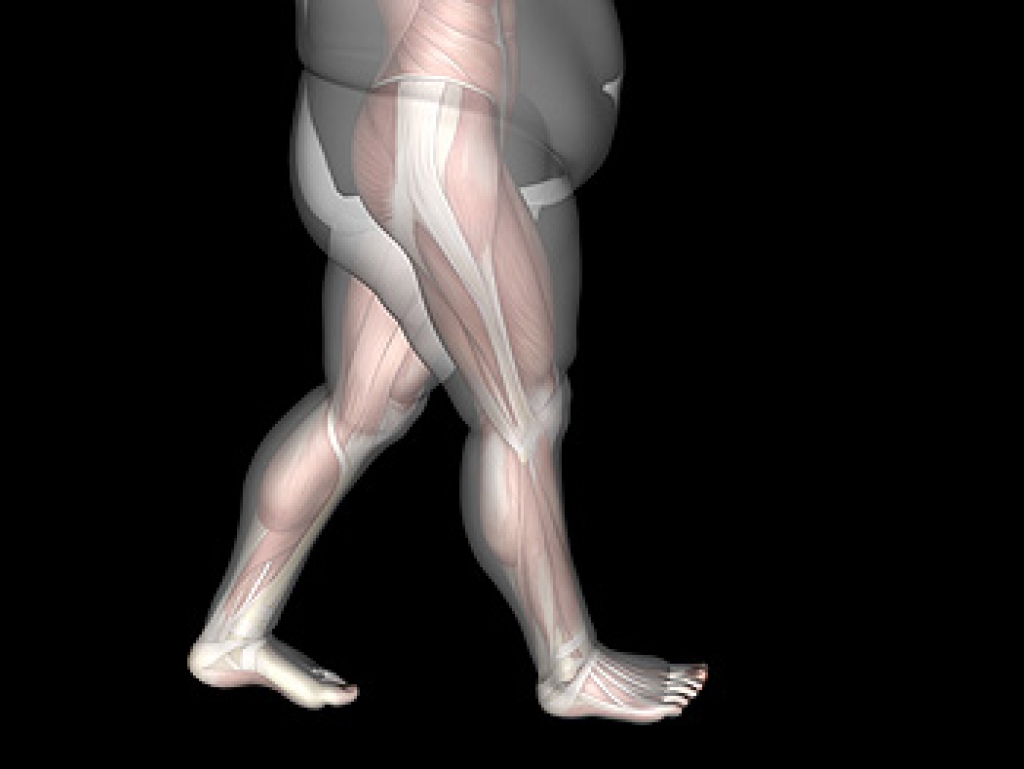
Obesity, a condition affecting millions worldwide, has far-reaching consequences, and one often overlooked aspect is its profound impact on foot health. Excessive body weight places an increased burden on the feet, leading to a host of issues that can cause chronic foot pain. The arches of the feet may flatten under the constant weight, causing discomfort and a higher risk of conditions like plantar fasciitis. Additionally, obesity contributes to joint problems, worsening issues like osteoarthritis, particularly in weight-bearing joints such as the ankles. The increased pressure on the feet also strains ligaments, tendons, and muscles, leading to inflammation and pain. Addressing foot pain in individuals dealing with obesity involves a holistic approach, including weight management, wearing proper footwear, and exercises to strengthen and support the feet. If you are overweight and experiencing foot problems, it is suggested that you consult a podiatrist who can offer treatment options.

The more you weigh, the harder your feet must work to support your body. If you’re an obese individual and are concerned about your feet, contact Dr. Eugenio Rivera from Calo Foot & Ankle Specialists. Our doctor can provide the care you need to keep you pain-free and on your feet.

Obesity and Your Feet

People who are overweight are putting more pressure on their ankles, knees, and hips as well as their feet. This unfortunately can lead to variety of different issues.

Problems & Complications Stemming from Obesity

  • When the body is overweight, it tries to compensate by changing the way that it moves. An obese person may lean forward and put extra weight on the wrong part of the foot. This puts unnecessary stress on the feet.
  • Obese people are also more likely to develop type II diabetes which is a condition that causes a lot of foot problems. People with diabetes often don’t feel the cuts and sores that they may have on their feet, which can lead to more complicated and severe issues.
  • Plantar fasciitis is another foot condition that can be caused by obesity. Plantar fasciitis is an inflammation of the tissue along the bottom of the foot, which causes pain and stiffness while walking and climbing stairs.

If you have any questions please contact our office located in Bellaire, TX . We offer the newest diagnostic and treatment technologies for all your foot and ankle needs.

Read more about Obesity and the Feet
Connect with us

Podiatry in Bellaire, TX 77401